Comforters are a key element of a cohesive sleep environment, providing a unified layer of warmth without added bulk. They are designed to regulate temperature by using insulating fillings and breathable fabrics, supporting varied bedding setups. Common materials include cotton, down, and synthetic fills, with performance influenced by thread count and quilting patterns.
In this category, you may encounter options like wool comforters, which offer natural temperature regulation and moisture management for cooler climates, alongside hypoallergenic synthetics that resist dust and allergens. Understanding fill power, weight, and loft helps determine suitability for seasonal use and room conditions, from damp environments to dry, heated spaces.
Key features to consider include fabric weave (percale vs. sateen), softness, durability, and ease of care. Many comforters integrate a sewn-through or box-quilted construction to prevent fill shifting, while some designs employ lightweight baffles or corner tabs for secure duvet insert compatibility, ensuring consistent warmth night after night.
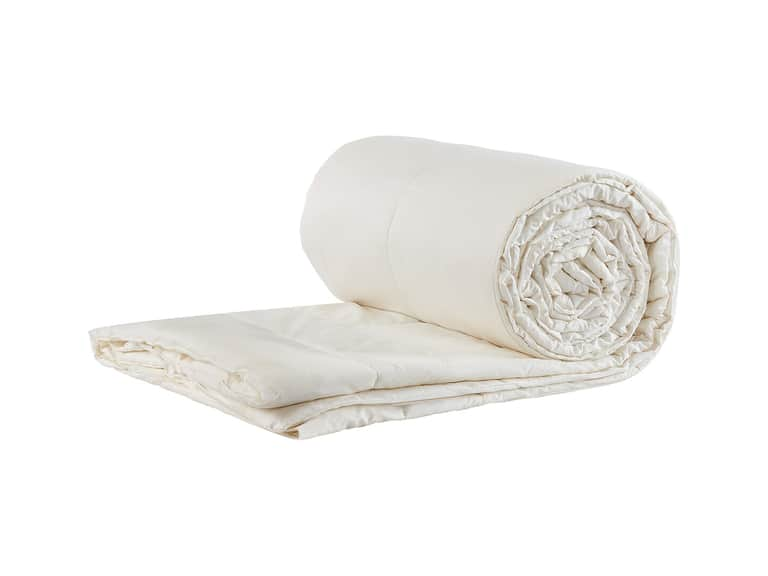
The Sleep and Beyond product line exemplifies the balance of comfort and practicality, with options like myComforter that emphasize breathable, even distribution of warmth. Evaluating wearability, fabric finishes, and care requirements helps users match a comforter to bedtime routines, seasonal changes, and personal comfort preferences.
For comprehensive bedding considerations, connect comforters with compatible items such as bedding, pillows, and sheets, noting how fabric choices influence overall sleep quality. Meta keywords like bedding, pillows, sheets, comforters, and wool comforters reflect the broader context of a cohesive sleep system and its impact on rest efficiency.
 Bedding